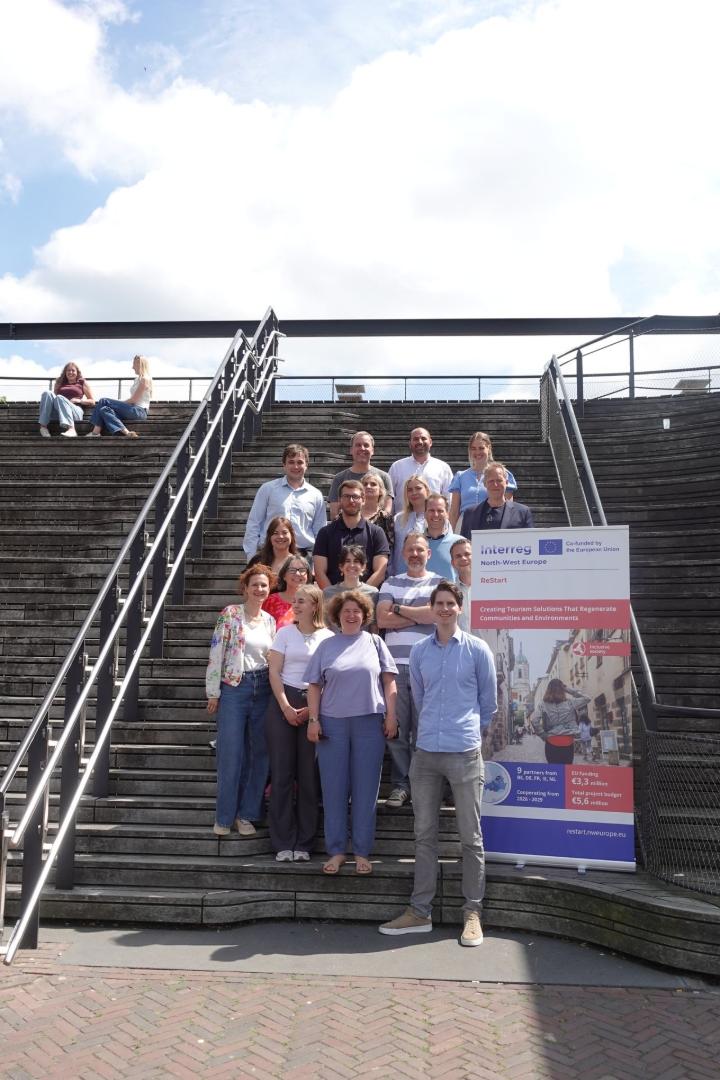
Across North-West Europe, destinations face shared challenges: balancing tourism with residents' quality of life, tackling climate change, and involving local communities. From city waterways to coastal areas, destinations need new approaches that create benefits for both visitors and residents while addressing climate change. Regenerative tourism provides a new approach.
The Interreg North-West Europe project ReStart was created to address these challenges. Officially launched in January 2026, the project will support businesses and destinations to embed regenerative tourism into policies and practices, empowering tourism authorities and stakeholders in their transition towards a more resilient and inclusive tourism sector. Funded through the Interreg North-West Europe programme, ReStart will run for 3.5 years, from 2026 to 2029. Luka Messmer, Interreg North-West Europe Project Officer, highlights: “At Interreg North-West Europe, we see regenerative tourism as an important pathway towards more sustainable and territorially balanced tourism. By building on natural and cultural assets, regenerative approaches create opportunities for local economic development, strengthen social inclusion, and support the sustainable management of heritage resources. Through transnational cooperation, projects like ReStart develop and test innovative solutions that generate lasting benefits for communities across North-West Europe.”
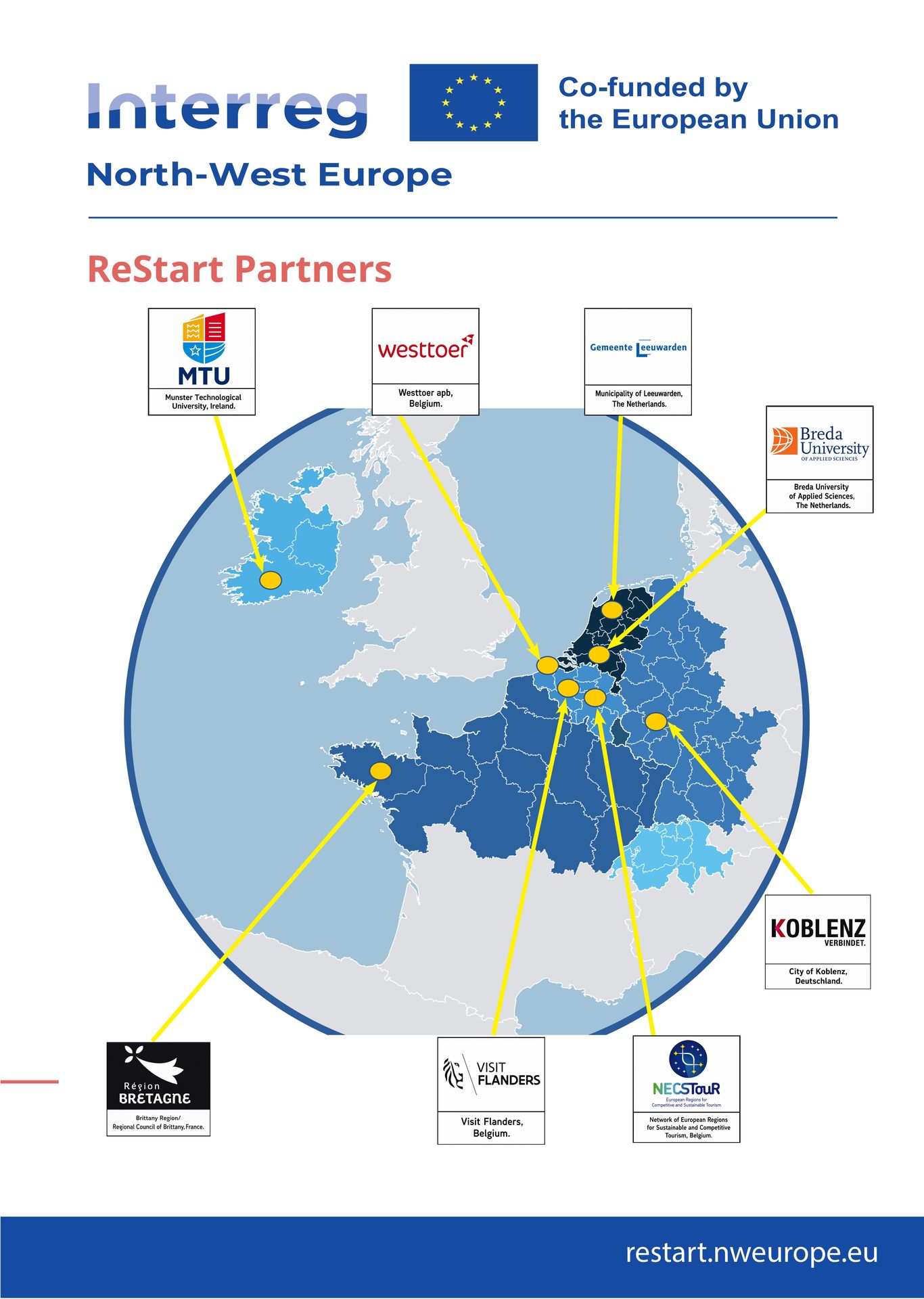
The partnership brings together partners from five countries: Belgium, the Netherlands, France, Germany and Ireland:
· three regional authorities: Visit Flanders, the lead partner, Westtoer Region and Brittany Region
· two universities: Breda University of Applied Sciences and Munster Technological University
· two municipalities: Leeuwarden and Koblenz
· NECSTouR, the Network of European Regions for Competitive and Sustainable Tourism
Eight Pilot Actions to bring regenerative tourism to life
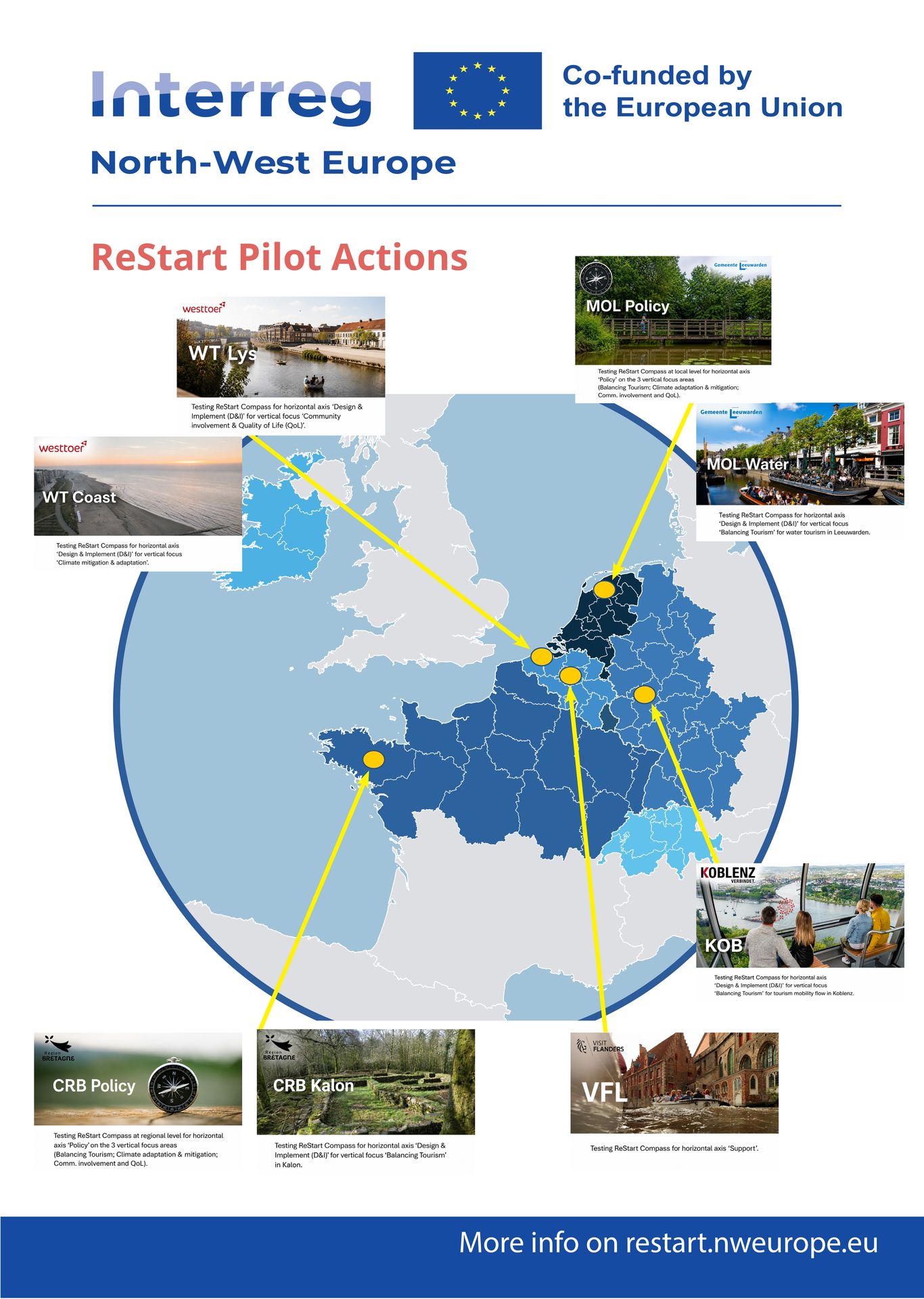
At the heart of the project is the ReStart Compass, a practical implementation guide that will be designed to help tourism stakeholders develop and apply regenerative tourism strategies. To ensure its relevance and usability, the Compass will be tested, refined and validated through eight pilot actions addressing diverse local challenges across North-West Europe. Griet Geudens, Project Manager of Visit Flanders, underlines: “The ReStart Compass is a game changer, helping DMOs shift their mindset towards regenerative thinking and turn theory into action.”
These pilot actions will assess the Compass's transferability and replicability while supporting its integration into local and regional policies and practices. They will focus on policy recommendations and implementation in the Brittany Region and Leeuwarden, mobility flows in Koblenz, waterway management and tourism activities in Leeuwarden and West Flanders (Westtoer), activities in Brittany's inland regions, coastal climate adaptation at the Belgian Coast (Westtoer), and accommodation support in Flanders.
Across all eight pilot actions, partners will jointly develop stakeholder engagement frameworks to ensure meaningful participation and uptake of the ReStart Compass. Whether managing tourism flows, preparing communities for climate change or addressing other destination challenges, the project will embed a participatory, cocreation approach with local communities.
Learning from Leeuwarden: A Study Visit focused on place-based approaches
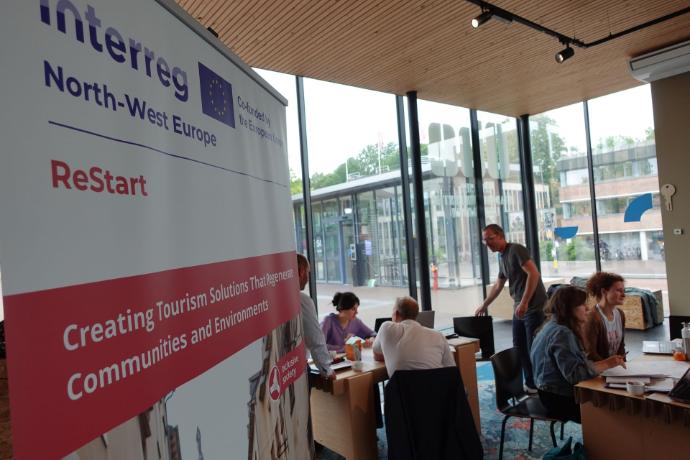
On 17 and 18 June 2026, project partners gathered in Leeuwarden, the Netherlands, for the ReStart's first study visit. During the two-day meeting, the programme was dedicated to interactive team workshops designed to strengthen collaboration, deepen understanding of the project approach, and support the development of the pilot’s actions.
Experiencing Leeuwarden's Pilot Action First-Hand
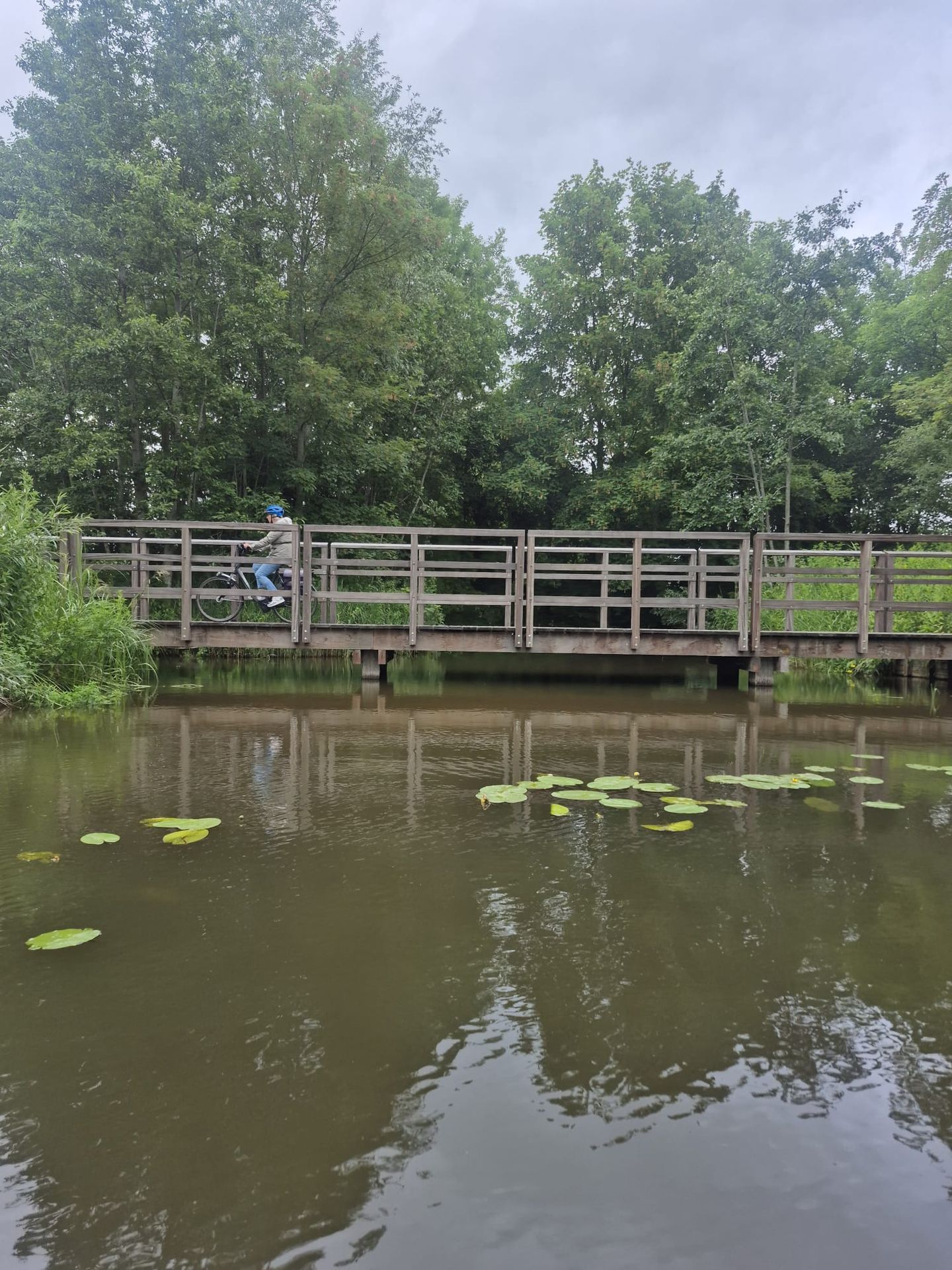
As tourism continues to grow, the city is beginning to experience increasing pressure on its canals and waterways. The rise in recreational boating is creating concerns related to safety, congestion, speeding, water quality, and noise pollution. Rather than waiting for these challenges to intensify, the city has chosen to take a proactive approach through its pilot action.
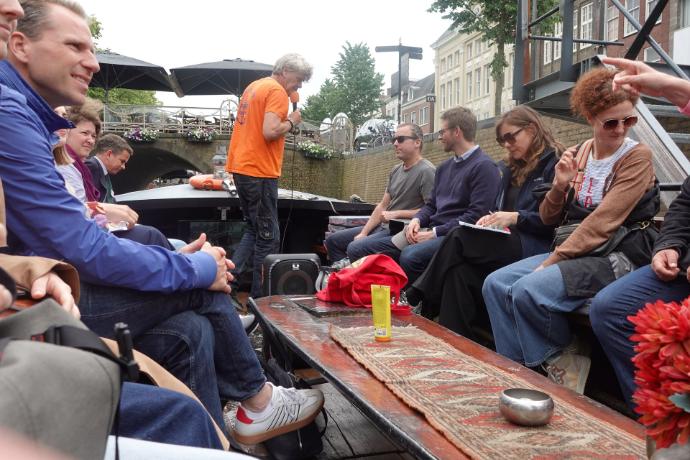
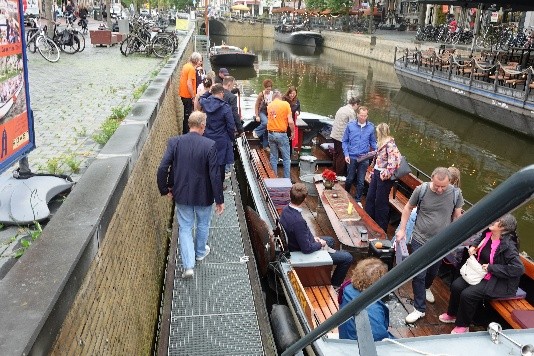
A boat tour led by a local guide gave project partners a unique opportunity to experience the attractiveness of Leeuwarden's waterways while observing the emerging challenges linked to increased recreational boating. The tour also provided a valuable setting for exchanging ideas on potential responses and management measures. Lisa van der Lem, Project Manager for the Municipality of Leeuwarden, “We are participating in this project to help shape a tourism sector that generates lasting value for our municipality and community. By working closely with local stakeholders, our aim is to balance economic opportunities with quality of life and stimulate tourism in a way that positively contributes to a vibrant, liveable, and future-proof municipality for both residents and visitors."
The methods and lessons developed through this pilot will also be shared with the other pilot regions, contributing to the broader objectives of the ReStart project.
Understanding the Challenges and Solutions of Each Pilot
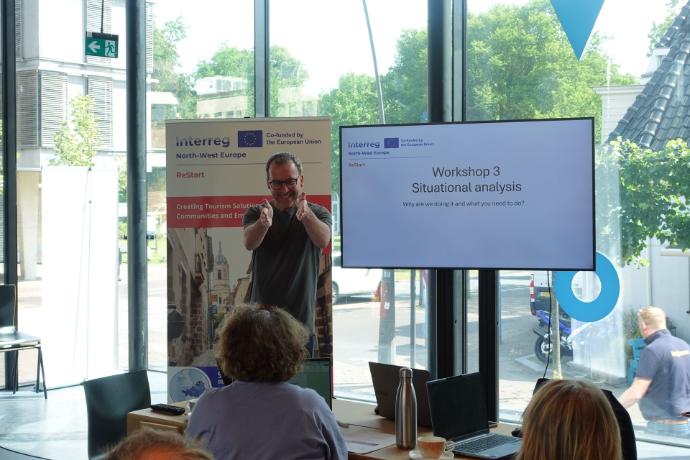
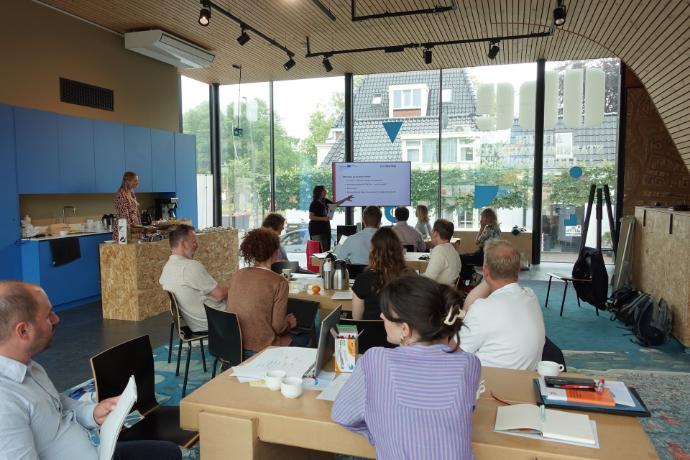
The workshop series guided partners through the key stages of the ReStart approach. It began by building a shared understanding of the challenges faced by each pilot and the solutions being developed to address them. The second session focused on the importance of co-creation and stakeholder participation in regenerative tourism, encouraging participants to review their stakeholder mapping and reflect on effective ways to engage relevant actors throughout the project. The final workshop introduced the situational analysis methodology, demonstrating how co-creation can be integrated into every step of the process. Together, these sessions provided pilot teams with a common framework, practical tools, and the knowledge needed to carry out their own analyses and advance their pilot activities.
Looking forward for the next study visit in Koblenz
The partners left Leeuwarden with valuable insights, strengthened collaboration, and a deeper understanding of how regenerative approaches can be applied in practice. Building on this momentum, the partnership is now looking forward to the next study visit in Koblenz, Germany before the end of 2026.