A coastline under pressure
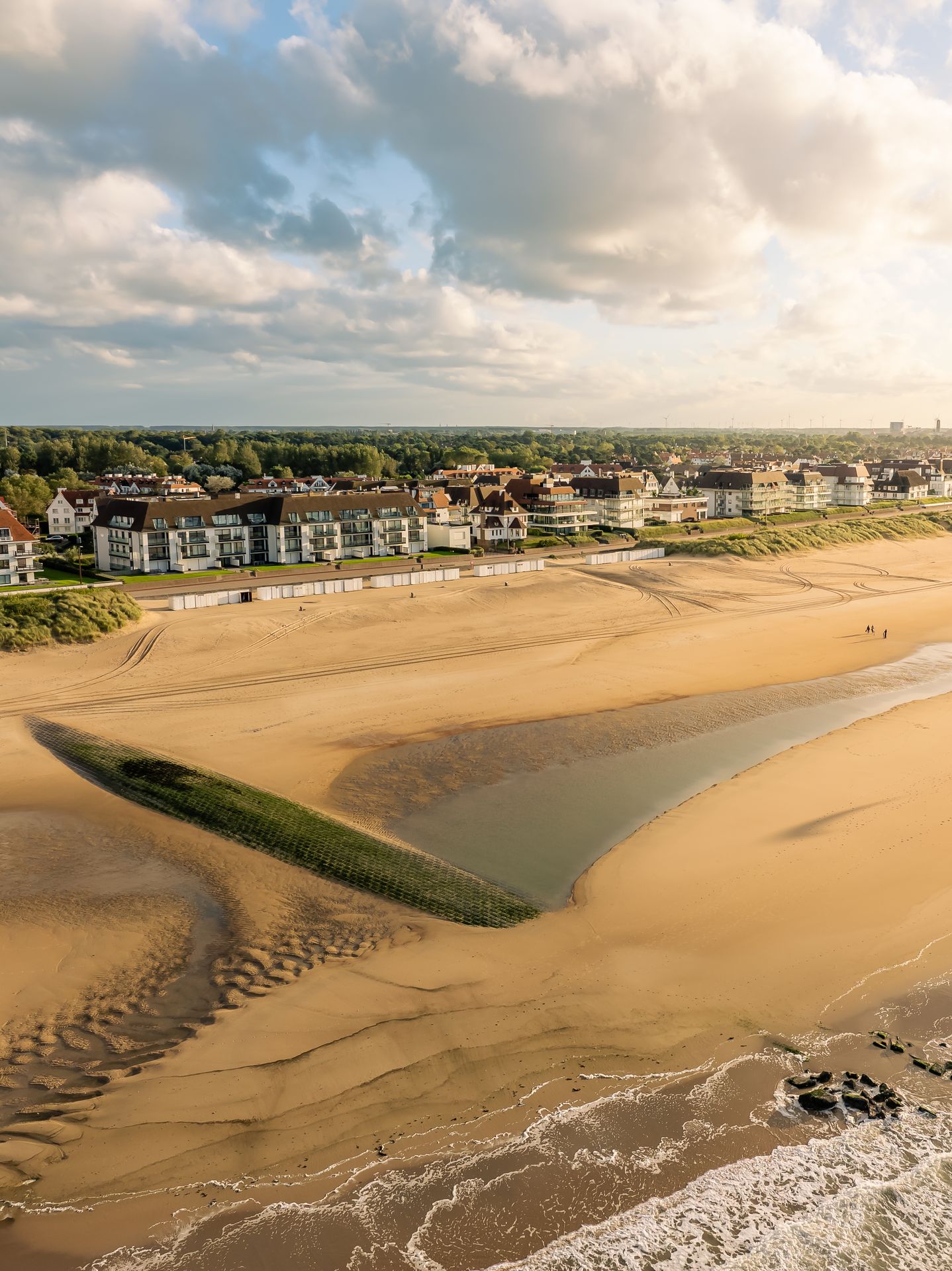
The Belgian coastline is a unique and highly dynamic environment where sea, land and human activity have always been closely intertwined. Over centuries, natural processes such as tides, sediment movement and storms have continuously reshaped the landscape, while human intervention—through dikes, ports and settlements—has further influenced its evolution.
Today, this fragile balance is increasingly under pressure. Climate change and rising sea levels are expected to significantly impact coastal areas in the coming decades. More intense storm surges, coastal erosion and the need for large-scale adaptation measures pose complex challenges for policymakers, residents and visitors alike.
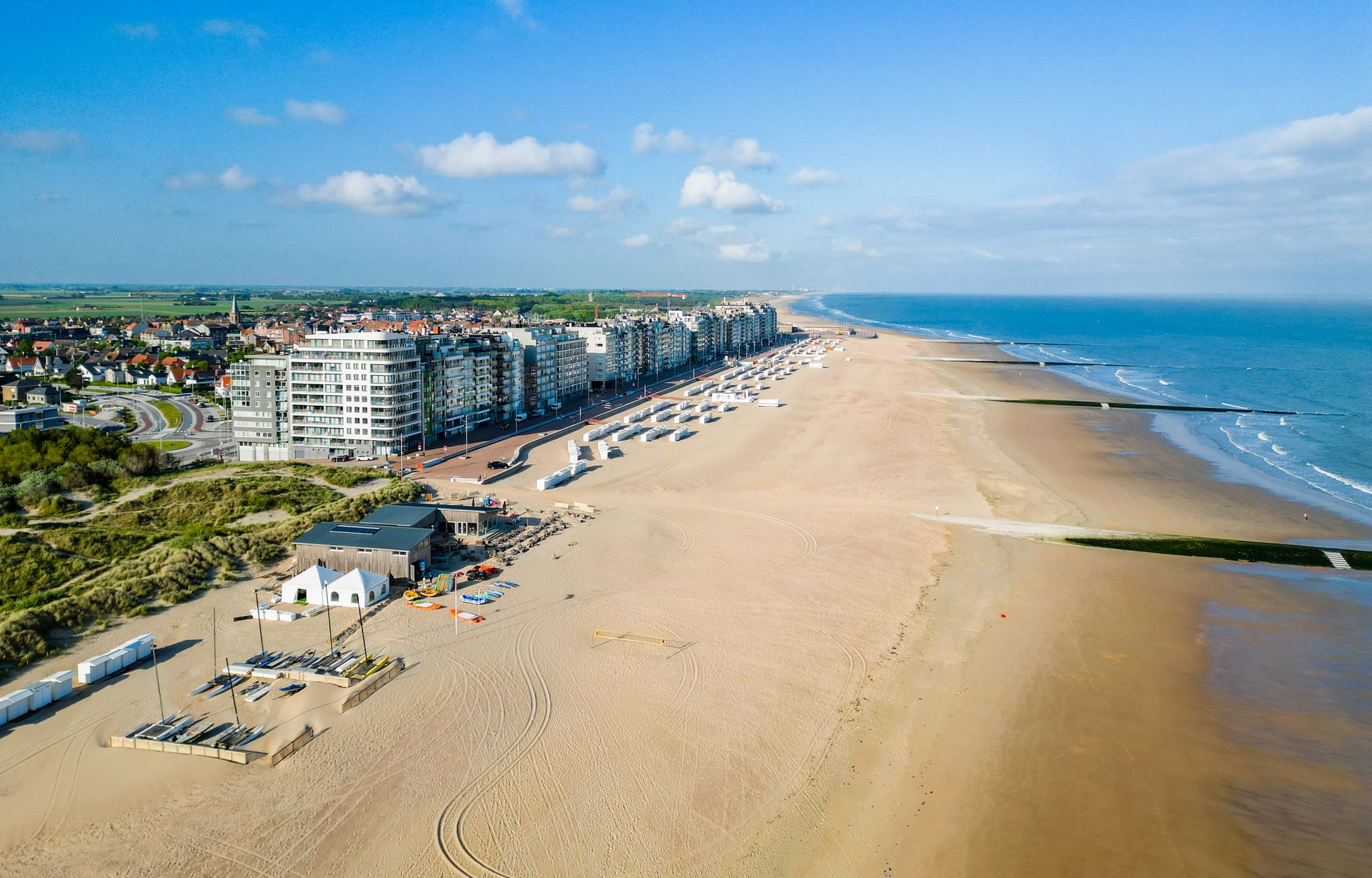
At the same time, the Belgian coast is a densely used area, combining tourism, housing, economic activity and nature. This makes it essential to carefully manage future adaptations to the coastline while maintaining its attractiveness and liveability. Building understanding and support for such measures is therefore a key priority.
Understanding the future by exploring the past
Within the Interreg NWE project ReStart, Westtoer’s Coastal Unit is developing a pilot action aimed at increasing awareness and engagement around climate adaptation through a combination of experience, education and communication.
A central element of this pilot is the development of a new historical narrative of the coastal landscape. The core idea behind this assignment is that a better understanding of the past can help people make sense of future changes. By showing that the coastline has always been shaped by continuous interaction between natural processes and human choices, the project aims to create a broader acceptance of necessary adaptations.
The role of the historical expert
To support this ambition, a historical expert has been appointed to analyse and interpret the evolution of the coastal landscape. The landscape itself is considered the main actor in the story, highlighting how people, land and sea have continuously influenced each other over time.
The expert’s task is to identify, analyse and contextualise a selection of 20 to 25 key historical sites across the coastal region, including both the coastline and its hinterland. These sites will serve as entry points to explain broader historical processes and transformations.
Beyond research, the expert will also contribute to translating complex historical insights into a coherent and accessible story that can be used for communication and visitor engagement.
Expected output
The main output of the assignment will be a comprehensive and coherent historical narrative of the Belgian coastal landscape, linking past, present and future. This narrative will highlight how the coastline has continuously evolved and adapted, and how similar processes will be necessary in response to climate change.
In addition, the expert will deliver:
- A structured storyline centred on the coastal landscape as the main actor
- A selection of 20 to 25 historical sites with detailed interpretation
- Clear connections between historical developments and current climate challenges
This output will serve as a foundation for communication tools, visitor experiences and educational activities within the ReStart project.
In parallel, the project will also develop an interactive installation representing the future coastline, enabling residents and visitors to explore planned adaptation measures in a dynamic way. This installation will provide insight into how the coastline may evolve and highlight the opportunities these changes can create in areas such as recreation, tourism, nature restoration and spatial development.
Towards a shared coastal story
Following the development of the historical narrative, a participatory trajectory will be organised involving residents, visitors and stakeholders along the coast.
This next phase will focus on testing, enriching and co-creating the story, ensuring that it resonates with different audiences and reflects local perspectives. By actively involving people in the process, the project aims to strengthen engagement and build a shared understanding of the coastal landscape and its future.
Dries Tys – Historical expert
Dries Tys is a landscape historian and holds a PhD in historical geography, specializing in the evolution of coastal and polder landscapes. He has an extensive academic background, with research experience at the Vrije Universiteit Brussel and involvement in various scientific projects related to the Flemish coastal plain. His work is situated at the intersection of historical landscape analysis, archaeology, and ecology, with a strong focus on the long-term interaction between humans and their environment.